
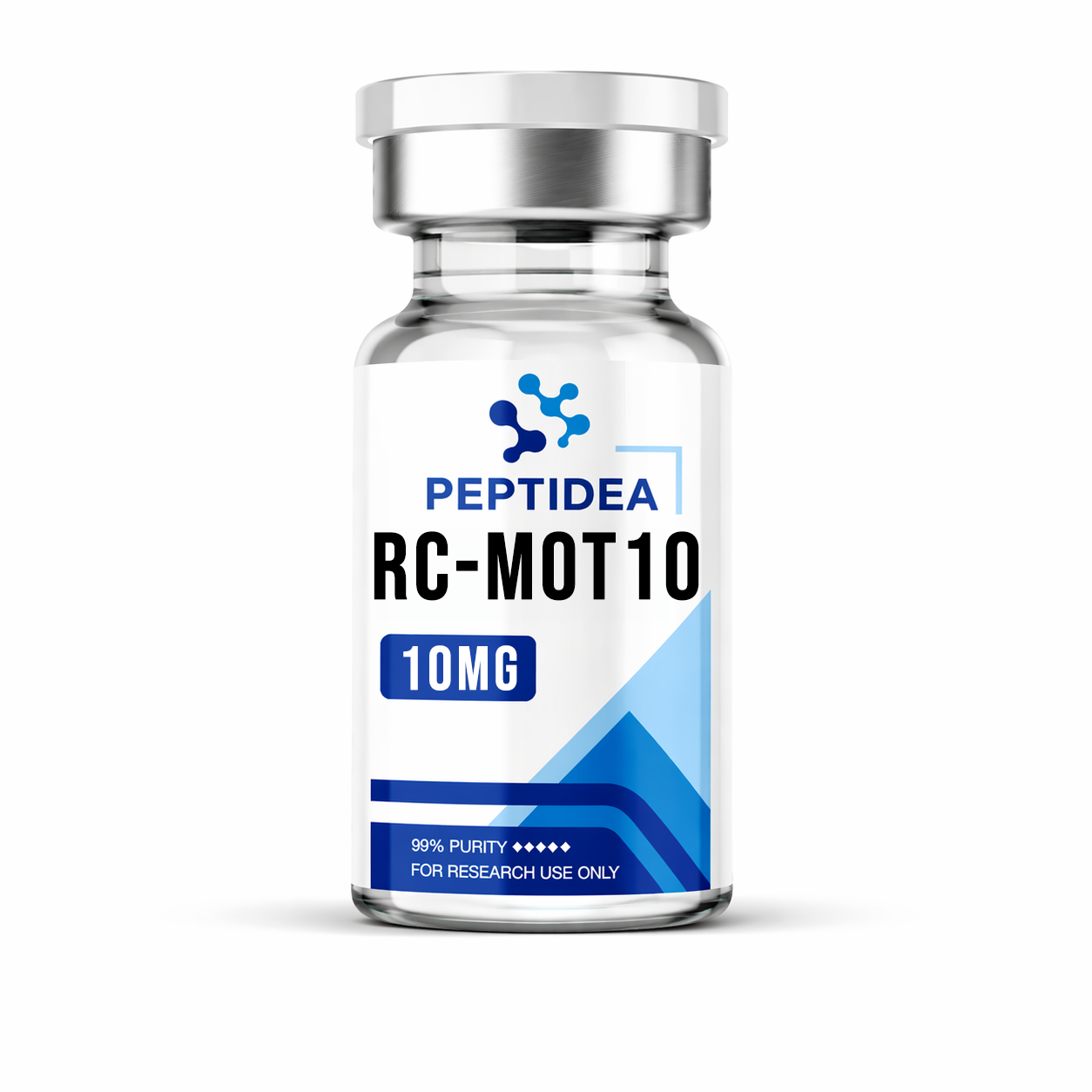
RC-MOT10

Price range: $55.00 through $210.00
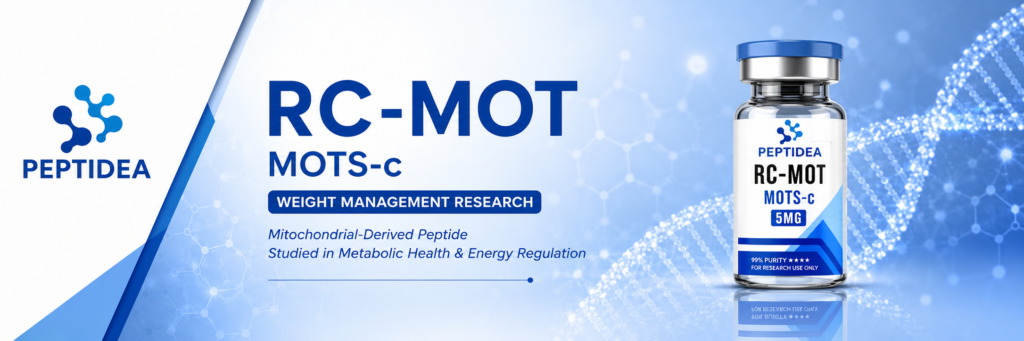
MOTS-c is a naturally occurring mitochondrial-derived peptide encoded by a short open reading frame within the mitochondrial 12S ribosomal RNA region. Unlike most peptides, which are encoded by DNA in the cell nucleus, MOTS-c originates from genetic information within mitochondrial DNA.
Research Profile
| Profile Field | Information |
|---|---|
| Product Code | RC-MOT |
| Research Compound | MOTS-c |
| Full Name | Mitochondrial Open Reading Frame of the 12S rRNA Type-c |
| Research Category | Weight Management Research |
| Compound Class | Mitochondrial-derived peptide |
| Peptide Length | 16 amino acids |
| Primary Research Pathways | AMPK signaling, cellular stress adaptation, glucose metabolism, fatty-acid oxidation, and mitochondrial communication |
| Primary Research Areas | Insulin sensitivity, energy metabolism, skeletal-muscle function, exercise response, body composition, metabolic aging, and mitochondrial biology |
| Clinical Status | Investigational; human administration evidence remains extremely limited |
| Available Sizes | Refer to the current RC-MOT listing on Peptidea.net |
| Storage | Refer to current product instructions |
| Use Classification | Research Use Only |
Overview
MOTS-c is a naturally occurring mitochondrial-derived peptide encoded by a short open reading frame within the mitochondrial 12S ribosomal RNA region. Unlike most peptides, which are encoded by DNA in the cell nucleus, MOTS-c originates from genetic information within mitochondrial DNA.
The discovery of MOTS-c expanded the scientific understanding of mitochondria. Rather than functioning only as energy-producing organelles, mitochondria may also communicate with the rest of the cell through biologically active peptides that influence metabolism, stress adaptation, and gene expression.
MOTS-c has been studied primarily in laboratory and animal models for its potential involvement in glucose regulation, insulin sensitivity, fatty-acid metabolism, skeletal-muscle function, exercise adaptation, and age-related metabolic decline. However, the majority of evidence remains preclinical, and human safety and effectiveness have not been established.
Scientific Background
MOTS-c was first described in 2015 as a mitochondrial-encoded peptide involved in metabolic homeostasis.
The original research identified skeletal muscle as an important target tissue and reported that synthetic MOTS-c improved glucose utilization, reduced insulin resistance, and limited high-fat-diet-associated weight gain in mice. These findings introduced the concept that mitochondrial DNA can encode signaling peptides capable of influencing whole-body metabolism.
Subsequent research has investigated whether MOTS-c functions as a communication signal between mitochondria, the cell nucleus, skeletal muscle, adipose tissue, and other metabolic organs.
Under certain forms of cellular stress, MOTS-c has been reported to move from the mitochondria into the nucleus, where it may influence the expression of genes involved in antioxidant defenses, stress resistance, and metabolic adaptation.
Molecular Identity
MOTS-c is a 16-amino-acid peptide with the following sequence:
Met-Arg-Trp-Gln-Glu-Met-Gly-Tyr-Ile-Phe-Tyr-Pro-Arg-Lys-Leu-Arg
FDA documentation identifies the molecular formula of the free-base form as:
C₁₀₁H₁₅₂N₂₈O₂₂S₂
The reported molecular weight is approximately:
2,174.6 g/mol
MOTS-c free base and MOTS-c acetate are chemically distinct bulk drug substances, even though they share the same active peptide moiety. The salt form, purity, aggregation state, impurities, storage conditions, and manufacturing process may all influence product characteristics.
Proposed Mechanism of Action
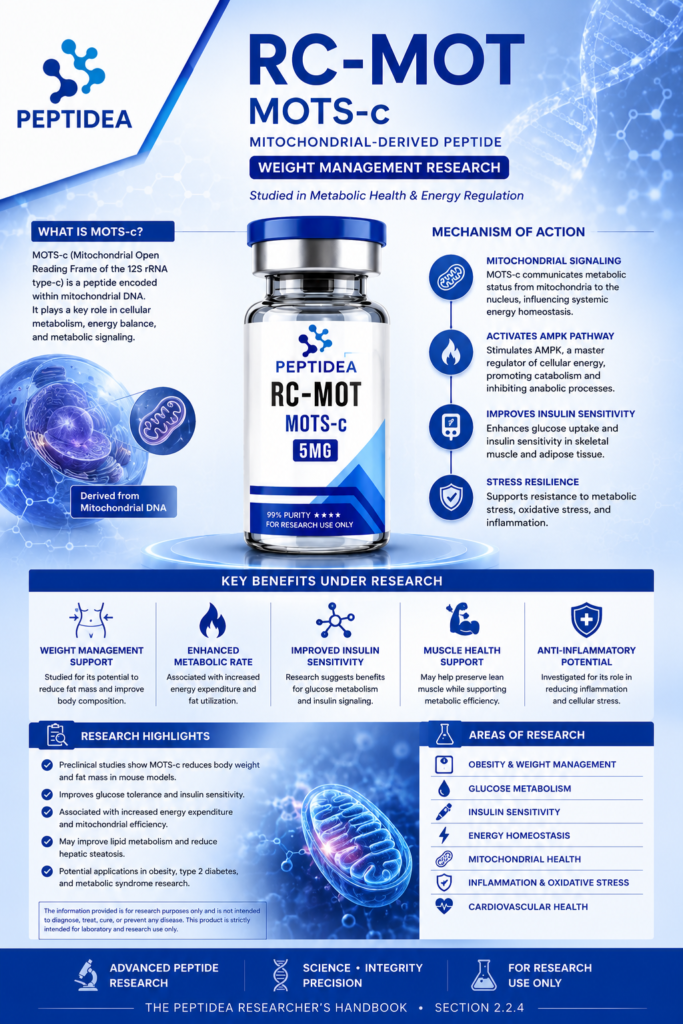
The complete molecular mechanism of MOTS-c has not been established. Most proposed pathways are based on cell-culture studies and animal models.
Folate and Purine Metabolism
Research suggests that MOTS-c may influence folate-dependent one-carbon metabolism and de novo purine synthesis.
Interference with these metabolic processes may increase levels of the intermediate AICAR, a naturally occurring activator of AMP-activated protein kinase.
AMPK Signaling
AMP-activated protein kinase, or AMPK, functions as a cellular energy sensor.
When cellular energy availability declines, AMPK helps shift metabolism toward processes that generate energy while reducing processes that consume energy unnecessarily.
MOTS-c-associated AMPK activity has been investigated for possible effects on:
- Glucose uptake
- Fatty-acid oxidation
- Mitochondrial metabolism
- Insulin sensitivity
- Skeletal-muscle energy use
- Cellular stress adaptation
- Nuclear gene expression
AMPK is an important proposed pathway, but it should not be interpreted as the only mechanism through which MOTS-c may act.
GLUT4 Translocation and Glucose Uptake
GLUT4 is a glucose transporter found primarily in skeletal muscle and adipose tissue.
Preclinical research has examined whether MOTS-c supports the movement of GLUT4 toward the cell membrane, potentially allowing muscle cells to take up more glucose from the surrounding environment.
This pathway may help explain some of the improvements in glucose tolerance and insulin sensitivity observed in animal studies. Human therapeutic effects have not been established.
Mitochondrial-to-Nuclear Signaling
During metabolic or oxidative stress, MOTS-c has been reported to translocate into the cell nucleus.
Once in the nucleus, it may interact with stress-responsive transcription factors and regulate genes associated with:
- Antioxidant defense
- Protein quality control
- Metabolic adaptation
- Cellular survival
- Inflammatory signaling
- Mitochondrial maintenance
This proposed mitochondrial-to-nuclear communication distinguishes MOTS-c from peptides that operate primarily through a conventional cell-surface receptor.
Exercise-Responsive Signaling
MOTS-c has been described as an exercise-responsive mitochondrial peptide.
In a small human exercise experiment, skeletal-muscle and circulating MOTS-c measurements increased following acute exercise. In aged mice, experimental MOTS-c administration improved physical performance and skeletal-muscle function.
These observations support continued investigation into MOTS-c as a mediator of exercise adaptation, but they do not establish that administered MOTS-c reproduces all of the effects of physical activity in humans.
Primary Areas of Scientific Investigation
Glucose Homeostasis
MOTS-c was originally identified through research involving glucose metabolism.
In animal models, investigators reported:
- Improved glucose tolerance
- Increased skeletal-muscle glucose utilization
- Reduced diet-induced insulin resistance
- Reduced age-associated insulin resistance
- Changes in glucose-related metabolic pathways
These findings remain important to MOTS-c research, although controlled human administration studies have historically been absent.
Insulin Sensitivity
MOTS-c has been investigated for its potential influence on how skeletal muscle responds to insulin.
Animal studies reported improved insulin sensitivity in aged and high-fat-diet-fed mice. Metabolomic research also identified changes in pathways involving sphingolipids, monoacylglycerols, and dicarboxylates that may be related to insulin resistance and lipid accumulation.
A Phase 2a clinical study was registered in 2026 to evaluate whether investigational MOTS-c can improve insulin sensitivity in adults with prediabetes and overweight or obesity. Registration of a study does not establish that the compound is safe, effective, or clinically validated.
Body Weight and Fat Accumulation
In diet-induced-obesity mouse models, MOTS-c treatment was associated with reduced weight gain and decreased fat accumulation.
These findings appear to involve a combination of:
- Increased energy expenditure
- Improved glucose handling
- Increased fatty-acid oxidation
- Reduced hepatic fat accumulation
- Changes in skeletal-muscle metabolism
The evidence does not currently establish MOTS-c as an effective human weight-loss compound. FDA’s 2026 review found no clinical evidence supporting its nominated obesity-related uses.
Fatty-Acid Oxidation and Lipid Metabolism
MOTS-c research includes its potential influence on the way cells process and use fatty acids.
Preclinical findings have included:
- Increased beta-oxidation
- Reduced liver fat accumulation
- Changes in circulating lipid metabolites
- Improved metabolic flexibility
- Altered adipose-tissue activity
- Enhanced energy expenditure
These findings are mechanistically interesting but have not been confirmed as therapeutic effects in humans.
Skeletal-Muscle Metabolism
Skeletal muscle is considered a principal research tissue for MOTS-c.
Researchers have examined effects involving:
- Glucose uptake
- Mitochondrial efficiency
- Oxidative metabolism
- Muscle stress adaptation
- Physical performance
- Muscle homeostasis
- Age-related decline
A 2026 laboratory study reported that MOTS-c improved intrinsic muscle mitochondrial efficiency and reduced mitochondrial reactive-oxygen-species production through pathways involving AMPK and PGC-1α. The study also included human exercise measurements but did not establish the safety or effectiveness of administering MOTS-c to humans.
Exercise Response and Physical Performance
MOTS-c has attracted interest as a possible molecular mediator of exercise.
Animal research found that MOTS-c administration improved physical capacity in young, middle-aged, and older mice. Research in human participants has also shown that acute exercise can alter endogenous MOTS-c levels in skeletal muscle or circulation.
These observations do not mean MOTS-c can replace exercise. Exercise produces wide-ranging cardiovascular, neurological, muscular, hormonal, and psychological adaptations that cannot be attributed to one peptide.
Metabolic Aging and Longevity Research
Circulating MOTS-c levels, mitochondrial function, and genetic variation within the MOTS-c coding region have been studied in relation to aging and age-associated metabolic function.
A mitochondrial DNA variant affecting the MOTS-c sequence has been associated with differences in type 2 diabetes risk among certain male populations, with physical-activity levels appearing to modify the association.
This area of research suggests a possible interaction among mitochondrial genetics, physical activity, sex, and metabolic disease risk. It does not establish MOTS-c as a proven longevity intervention.
Bone and Osteoporosis Research
Laboratory and animal studies have examined MOTS-c in:
- Osteogenic differentiation
- Bone remodeling
- Osteoclast activity
- Particle-induced bone loss
- Ovariectomy-associated metabolic dysfunction
These findings contributed to the nomination of MOTS-c-related substances for compounded use in osteoporosis. FDA concluded that the available evidence was preclinical and insufficient to establish clinical effectiveness or safety.
Cardiovascular and Vascular Research
Preclinical studies have explored MOTS-c in vascular calcification, myocardial remodeling, endothelial function, and oxidative stress.
The clinical relevance of these findings remains uncertain because controlled human administration studies have not established cardiovascular outcomes, effective dosing, pharmacokinetics, or safety.
Research Findings
Original Metabolic Study
The 2015 discovery study reported that MOTS-c:
- Promoted skeletal-muscle glucose metabolism
- Reduced diet-induced obesity in mice
- Reduced age- and diet-associated insulin resistance
- Influenced cellular folate and purine pathways
- Activated AMPK-associated metabolic signaling
This study established much of the scientific rationale for later MOTS-c research.
Exercise and Aging Study
A later study examined endogenous MOTS-c during exercise and administered MOTS-c in mouse models of aging.
Researchers reported increased MOTS-c following acute exercise in a small human sample and improved physical performance, muscle metabolism, and stress-related gene expression in older mice.
The human component measured naturally occurring MOTS-c; it was not a clinical treatment trial of administered MOTS-c.
Plasma Metabolite Research
Metabolomic research in obese mice found that MOTS-c altered multiple circulating metabolic pathways associated with obesity and insulin resistance.
The findings supported a relationship among MOTS-c, lipid metabolism, fatty-acid oxidation, and insulin sensitivity.
Human Observational Research
Human studies have measured naturally occurring MOTS-c concentrations in relation to:
- Exercise
- Obesity
- Metabolic syndrome
- Diabetes
- Insulin
- Circulating lipids
- Abdominal and liver fat
Results have not always been consistent. Some studies have reported lower MOTS-c in diabetes, while others have reported higher circulating levels in obesity or metabolic syndrome.
These differences may reflect compensatory biology, assay variability, population differences, metabolic state, or study design. Measuring endogenous MOTS-c is not the same as demonstrating the effects of administering synthetic MOTS-c.
Emerging Human Clinical Research
ClinicalTrials.gov now lists a Phase 2a study designed to examine insulin sensitivity following 12 weeks of investigational MOTS-c treatment in adults with prediabetes and overweight or obesity.
Until results are completed, analyzed, and preferably published through peer review, the study should be described as ongoing research rather than evidence of effectiveness.
Safety and Research Limitations
The most important limitation involving MOTS-c is the absence of established human safety information.
In its 2026 evaluation, FDA reported that it had not identified clinical studies or human exposure data adequate to evaluate:
- Pharmacokinetics
- Bioavailability
- Dose-response relationships
- Short-term safety
- Long-term safety
- Immunogenicity
- Organ-specific toxicity
- Effective clinical dosing
- Safety by route of administration
Potential risks are therefore unknown.
Aggregation and Immunogenicity
Peptides may aggregate during manufacturing, formulation, transportation, reconstitution, or storage.
FDA noted that MOTS-c contains 16 amino acids and may have an inherent tendency to aggregate. Aggregated peptides or peptide-related impurities may increase the risk of immune responses, reduced bioavailability, precipitation, or anti-drug-antibody formation.
Product Characterization
FDA identified concerns involving:
- Inconsistent naming
- Free-base versus acetate forms
- Peptide-related impurities
- Residual manufacturing chemicals
- Aggregate formation
- Incomplete certificates of analysis
- Limited stability information
- Absence of an applicable USP or NF monograph
- Lack of standardized finished-product testing
Results from one research preparation cannot automatically be applied to products produced by another supplier or manufacturing process.
Preclinical-to-Human Translation
Most MOTS-c findings come from:
- Cultured cells
- Isolated tissues
- Rodent obesity models
- Aging mice
- Genetically modified animals
- Observational measurement of endogenous human MOTS-c
Animal findings can provide biological insight, but they cannot establish human effectiveness, dosing, or safety.
Athletic Competition
MOTS-c appears on the World Anti-Doping Agency prohibited framework as an AMPK activator and metabolic modulator. Competitive athletes should understand that Research Use Only labeling does not remove anti-doping consequences.
Regulatory Context
MOTS-c is not an FDA-approved drug and is not a component of an FDA-approved drug product.
FDA has stated that compounded products containing MOTS-c may present risks involving immunogenicity, aggregation, peptide-related impurities, and active-ingredient characterization. The agency has also stated that it lacks sufficient human information to determine whether administered MOTS-c would cause harm.
During the July 23–24, 2026 Pharmacy Compounding Advisory Committee process, MOTS-c free base and MOTS-c acetate were evaluated for possible inclusion on the Section 503A Bulks List for obesity and osteoporosis-related uses.
FDA proposed that neither form be added, citing inadequate physicochemical characterization, lack of established historical compounding use, absence of human safety and effectiveness studies, and uncertain immunogenicity risk. An advisory committee recommendation is not itself final agency rulemaking.
Peptidea Product Information
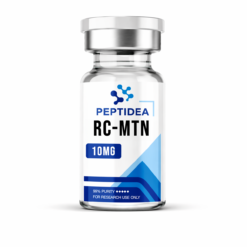
RC-MOT is the Peptidea product code used to identify MOTS-c within the Research Library.
Because available strengths, packaging, product imagery, storage instructions, and configurations may change, readers should consult the active RC-MOT listing on Peptidea.net.
The handbook should not describe RC-MOT as:
- An FDA-approved medication
- A proven weight-loss treatment
- A substitute for physical exercise
- A validated anti-aging therapy
- Clinically established for insulin resistance
- Safe for human administration
- Intended for human or veterinary consumption
When the visual assets are created, they must use:
- The official Peptidea logo
- The official RC-MOT vial design from Peptidea.net
- The approved RC-RET blue-and-white theme
- The same Word-width header dimensions
- A matching vial cap and label across the header and infographic
- Research Use Only wording
- No substitute logo, vial shape, or invented packaging
Related Research Compounds
| Product Code | Research Compound | Relationship to RC-MOT |
|---|---|---|
| RC-RET | Retatrutide | Multi-receptor metabolic and body-composition research |
| RC-TRS | Tirzepatide | Dual incretin signaling and glucose-regulation research |
| RC-AOD | AOD-9604 | Adipose-tissue and lipid-metabolism research |
| RC-LCAR | L-Carnitine | Fatty-acid transport and cellular energy metabolism |
| RC-FATBL | Fat Blaster Blend | Multi-ingredient metabolic research formulation |
| RC-NAD | NAD+ | Cellular energy, redox biology, and mitochondrial research |
| RC-SS31 | SS-31 | Mitochondrial membrane and oxidative-stress research |
Key Research Takeaways
MOTS-c is:
- A naturally occurring 16-amino-acid mitochondrial-derived peptide.
- Encoded within the mitochondrial 12S rRNA region.
- Investigated for AMPK signaling, glucose uptake, fatty-acid oxidation, and cellular stress adaptation.
- Closely associated with skeletal-muscle and exercise research.
- Supported mainly by cell-culture and animal evidence.
- Measured endogenously in several human observational studies.
- The subject of emerging human clinical research, but not yet supported by completed therapeutic trials.
- Not FDA-approved.
- Associated with unresolved questions involving pharmacokinetics, dosing, immunogenicity, aggregation, and human safety.
- Prohibited in competitive sport under anti-doping rules.
- Represented by Peptidea as RC-MOT strictly for Research Use Only.
Selected Scientific References
- Lee C, et al. The mitochondrial-derived peptide MOTS-c promotes metabolic homeostasis and reduces obesity and insulin resistance. Cell Metabolism. 2015.
- Lee C, Kim KH, Cohen P. MOTS-c: A novel mitochondrial-derived peptide regulating muscle and fat metabolism. Free Radical Biology and Medicine. 2016.
- Kim SJ, et al. The mitochondrial-derived peptide MOTS-c is a regulator of plasma metabolites and enhances insulin sensitivity. Physiological Reports. 2019.
- Reynolds JC, et al. MOTS-c is an exercise-induced mitochondrial-encoded regulator of age-dependent physical decline and muscle homeostasis. Nature Communications. 2021.
- Zempo H, et al. A pro-diabetogenic mitochondrial DNA polymorphism in the MOTS-c coding region. Aging. 2021.
- Zheng Y, et al. MOTS-c: A promising mitochondrial-derived peptide for therapeutic exploitation. 2023.
- Gudiksen A, et al. MOTS-c improves intrinsic muscle mitochondrial bioenergetic health and efficiency in a PGC-1α/AMPK-dependent manner. 2026.
- U.S. Food and Drug Administration. Evaluation of MOTS-c-related bulk drug substances for the Section 503A Bulks List. 2026.
Lyophilized research compound
Available in multiple configurations
Purity: ≥99% (HPLC verified)
Appearance: White lyophilized powder
Storage: Store at -20°C in a dry, controlled environment
For laboratory research use only. Not for human or veterinary use.
| Size | 10mg, 30mg, 40mg |
|---|
Related products
Lyophilized
Longevity & Cellular Lifecycle Research
Lyophilized

Cognitive Research
Cellular Repair & Recovery Research
Recovery & Regenerative Research
Cellular Repair & Recovery Research
Cellular Repair & Recovery Research