| Size | 500mg, 1000mg |
|---|
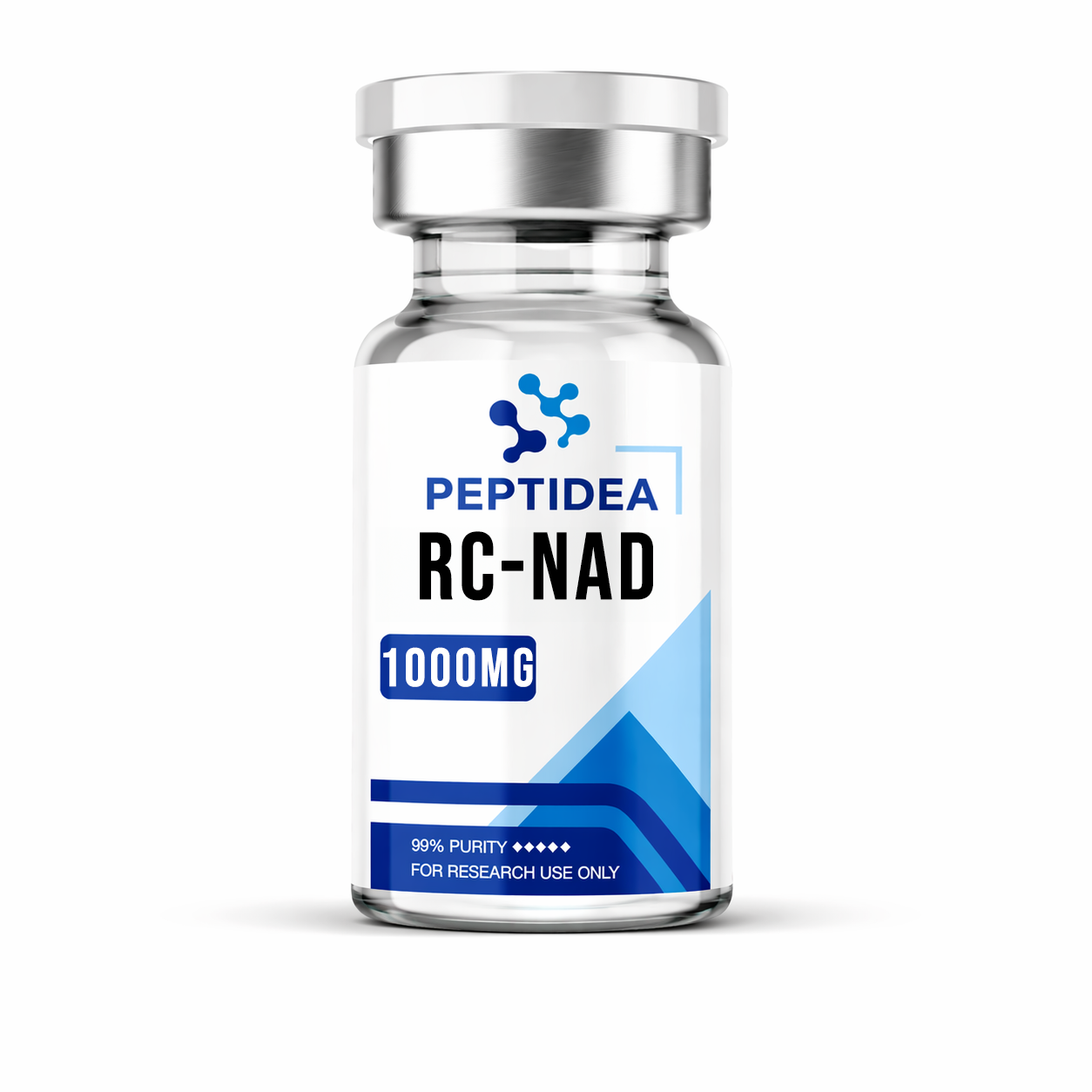
NAD+ Buffered
Price range: $65.00 through $95.00
NAD+ (Nicotinamide Adenine Dinucleotide) is a coenzyme critical for cellular energy production, DNA repair, and metabolic processes. It plays a central role in redox reactions and as a substrate for enzymes like sirtuins and PARPs, which regulate aging and cellular health. Below are the potential benefits of NAD+ supplementation or boosting NAD+ levels, based on preclinical studies, limited human trials, and theoretical mechanisms, keeping in mind your prior interest in Epitalon and the KLOW peptide blend. Since NAD+ is distinct from these, I’ll focus on its unique benefits, with a brief comparison at the end.Potential Benefits of NAD+ Supplementation
- Enhanced Cellular Energy Production:
- NAD+ is essential for mitochondrial function, facilitating ATP production through the electron transport chain. Boosting NAD+ levels may improve energy metabolism, potentially reducing fatigue and enhancing physical performance.
- Animal studies show NAD+ precursors (e.g., nicotinamide mononucleotide [NMN], nicotinamide riboside [NR]) increase mitochondrial efficiency.
- Anti-Aging and Longevity:
- NAD+ activates sirtuins (e.g., SIRT1), proteins linked to longevity and cellular repair. Higher NAD+ levels may slow age-related decline by supporting DNA repair and gene expression.
- Preclinical studies in mice show NAD+ boosters like NMN extend lifespan and improve healthspan, delaying age-related conditions like muscle loss and cognitive decline.
- DNA Repair and Cellular Resilience:
- NAD+ is a substrate for PARPs, enzymes that repair DNA damage. Increased NAD+ availability may enhance DNA repair, protecting against genomic instability linked to aging and diseases like cancer.
- Studies suggest NAD+ supplementation mitigates DNA damage in cells exposed to oxidative stress or radiation.
- Neuroprotection and Cognitive Health:
- NAD+ supports neuronal health by enhancing sirtuin activity and reducing oxidative stress. Animal models show NMN or NR supplementation improves memory, synaptic plasticity, and resistance to neurodegenerative diseases like Alzheimer’s.
- Limited human trials suggest NAD+ precursors may improve cognitive function in older adults.
- Metabolic Health:
- NAD+ regulates insulin sensitivity, glucose metabolism, and lipid profiles. Studies in mice show NAD+ boosters improve insulin resistance and protect against metabolic disorders like type 2 diabetes.
- Small human studies with NR supplementation report improved blood sugar control and reduced inflammation markers.
- Cardiovascular Health:
- NAD+ supports vascular function by promoting endothelial health and reducing arterial stiffness. Animal studies indicate NMN improves blood flow and heart function in aging models.
- Preliminary human data suggest NAD+ precursors may lower blood pressure and improve cardiovascular risk factors.
- Muscle Function and Exercise Performance:
- NAD+ enhances muscle repair and mitochondrial biogenesis, potentially improving strength and endurance. Mouse studies show NMN restores muscle function in aged animals.
- Anecdotal reports from human users of NAD+ precursors note better exercise recovery and stamina, though clinical evidence is limited.
- Immune Function and Inflammation:
- NAD+ modulates immune responses by regulating sirtuins and reducing chronic inflammation. Studies suggest NAD+ precursors may dampen excessive immune activation in inflammatory conditions.
- Research in animal models shows NMN reduces inflammation in tissues like the liver and adipose tissue.
Methods of Boosting NAD+
- Precursors: Nicotinamide Riboside (NR) and Nicotinamide Mononucleotide (NMN) are commonly used supplements to increase NAD+ levels. Typical doses range from 250–1000 mg/day in human studies.
- Intravenous NAD+: Direct NAD+ infusions are used in some clinics, though evidence is mostly anecdotal, and bioavailability is less studied.
- Other Boosters: Compounds like niacin (vitamin B3) or lifestyle interventions (e.g., exercise, fasting) can modestly increase NAD+ levels.